Loading Bay Door Springs
Flower Mound Dock Doors
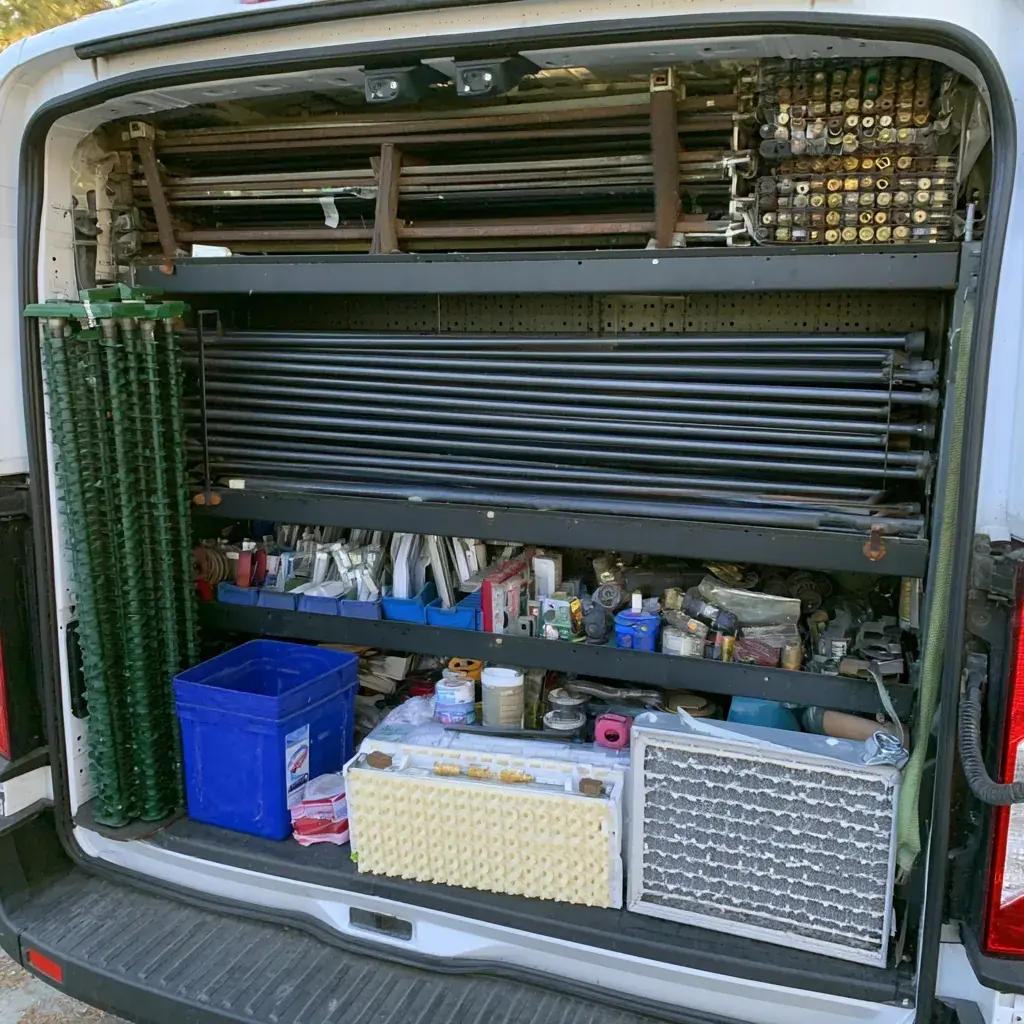
Planned roll-up unit door service, clear unit records, and grouped repairs for Flower Mound storage facilities.
Roll-up unit door springs are serviced by checking each door, recording its spring and latch condition, and grouping compatible repairs into scheduled visits. Unit-level work records show what was found, which parts were fitted, and what needs follow-up.
A roll-up unit door needs safe handling and a record that follows it through service. In Flower Mound, a facility-wide assessment can connect spring condition, latch wear, and completed work by unit. That history helps staff distinguish a recurring fault from a new problem. It also gives the pros we connect you with a clear starting point. The goal is fewer repeat visits and less time with a unit unavailable.
Tenant turnover can concentrate use on particular doors while others stay closed. Each full opening and closing adds a cycle, so a calendar alone cannot show how hard each spring works. In Flower Mound, note high-use units and turnover periods during the assessment. That record can guide which doors need closer attention before the next move-in. It also helps explain why doors in one row may need different service timing.
Start with an inventory that ties each door to its building, row, and unit number. Record its spring arrangement, latch type, observed movement, and known service history. A Flower Mound site map can use local reference points such as Community Park to orient staff, while internal row labels identify the actual doors. Share access limits and expected tenant activity before work is scheduled. Clear identifiers reduce time spent finding the right unit.
A unit door that feels heavier may have a tired spring, but a stiff latch can create a similar complaint. Staff notes should describe what happened: whether the curtain stopped, moved unevenly, or needed extra force at the latch. In Flower Mound, linking each report to a unit number lets a technician compare symptoms with prior work. That distinction matters because replacing a spring alone will not correct a latch that binds.
Spring selection should reflect door weight and expected use, not just the dimensions of a neighboring unit. One complete raise and lower is one cycle; the rating describes cycles rather than calendar time. Keep the spring specification and installation date with the unit record. For a Flower Mound facility, those details help staff compare service life across similar doors and plan replacements before busy turnover periods create avoidable closures.
| Observed wear | Unit impact | Record entry |
|---|---|---|
| Spring fatigue | More effort needed to raise curtain | Log door condition and spring pairing |
| Latch wear | Key or bolt sticks after turnover | Record latch type and needed repair |
| Tenant handling | Repeated operation loosens door hardware | Compare inspection notes between turnovers |
| Older key hardware | Unfamiliar parts slow the return | Document identifying details before ordering |
| Cable and drum wear | Door shifts or resists travel | Note cable seating and drum state |
| Guide friction | Curtain catches during its travel | Record guide and roller findings |
| Grouped scheduling | Several units need service access | Set one work window for nearby doors |
| Work history | Missing notes complicate future budgets | Keep parts, findings, and dates together |
Batch work can group doors by row, condition, and access window. Staff can notify affected tenants together and keep nearby units available where the work sequence allows. At a Flower Mound facility, a map marked by row helps the pros we connect you with move through the agreed list without repeated searches. The record should show which doors were completed and which need follow-up, so unfinished items do not disappear between visits.
Give every serviced door its own entry, even when several are handled during one visit. Include the unit identifier, inspection findings, parts changed, work date, and any recommended follow-up. In Flower Mound, a site map can distinguish buildings near Lewisville Lake without confusing them with individual units. Consistent entries make a later complaint easier to check against earlier work. They also let staff see whether the same location keeps returning to the service list.
Records support budgeting when they show patterns, not just completed invoices. Group spring and latch findings by building, then separate urgent repairs from planned replacements. A Flower Mound manager can use that summary when setting the next maintenance window and explaining expected work internally. Keep the original observations alongside the summary; that lets staff check how each decision was reached. The paper trail can also show whether a repair resolved the reported problem.
A sudden change in door movement belongs in the unit log, with the date and the tenant's description. Staff should keep a door that cannot be controlled out of use and arrange professional review. In Flower Mound, a note that says only “door stuck” gives little help on a return visit. Record whether the latch caught, the curtain moved crookedly, or the door would not stay in position. Those details focus the inspection.
Plan grouped service around tenant turnover, but leave room for doors reported as difficult before that window. A staged schedule lets staff handle one row at a time and update unit records as work finishes. Flower Mound facilities can use a local reference such as Cottonwood Creek when identifying a site to staff, then rely on building and row labels for dispatch. Avoid promising access until affected tenants and staff have a workable time.
Some older unit doors retain latch hardware from master-key-era systems. Replacement pieces may not align with the curtain or engage cleanly, even when the spring is sound. Record the existing latch type and fit before ordering parts. In Flower Mound, keeping that note with the spring history helps prevent a later visit that addresses only half the complaint. The record concerns door operation and compatibility, not broader site security.
Before a scheduled visit, reconcile the door list with current occupancy and reported issues. Mark units where staff have noticed latch trouble, repeat spring work, or interrupted operation. A Flower Mound site can use a landmark such as Colleyville Nature Center as a map reference for staff, while the service list should retain precise building and unit labels. Confirm access arrangements and the planned work scope with the pros we connect you with.
The cost of commercial spring repair depends on the door and spring arrangement, the condition of related parts, and how many units need attention. A latch that needs separate correction can change the scope. In Flower Mound, an itemized assessment helps a manager compare grouped work with separate return visits. Ask that findings and proposed work be tied to unit identifiers. That makes the estimate easier to review against maintenance records and operating needs.
Schedule a facility-wide unit door spring assessment before tenant turnover fills the work calendar. Share the row map, known latch concerns, recent service records, and preferred access windows. Ask the pros we connect you with to return a written list of inspected doors, observed wear, work completed, and items still needing attention. For a Flower Mound facility, that record can guide the next maintenance window and help prevent the same unit from being assessed from scratch.
Across Flower Mound, roll-up unit doors share one operational problem: small differences disappear when notes stay with a building instead of a door. Tenant turnover can leave one latch stiff and another unit with weak spring lift; a row label alone will not explain either later. A useful service record ties each unit number to its symptoms, findings, parts, and return status. Managers comparing records in Colleyville, Mill Creek, and The Colony can use the same format without treating separate doors as one repair. The sections below show what to record, group, and review.
A community listing offers a starting point. Check whether the specific home falls within the pros we connect you with's service area across Denton, includingSouthlake, Roanoke and Flower Mound. Before choosing a time, ask if the call-out is charged separately and whether an address outside the service area affects the fee.
For commercial properties, pricing is planned by visit. Spring wear can differ from one door to the next. Opening dimensions, door count, site access, and service interval affect the estimate. A distribution building with several loading doors may need a broader visit scope than a small storefront.In Flower Mound, a commercial door’s width, weight, lift setup, and daily use can change spring size and related parts, shifting the quote. When calling, describe the opening, door construction, use pattern, and visible damage so the pros we connect you with can identify what needs pricing.Review pricing guide for cost bands; commercial overview describes the structure of a scheduled commercial program.
Flower Mound Dock Doors
Flower Mound Commercial Doors
Keep a separate entry for each unit, even when several doors are serviced together. Record the unit identifier, reported symptom, latch condition, spring finding, parts installed, and date of work. Note whether the door was returned to use or needs follow-up. In Flower Mound, those details help a facilities manager trace a repeat problem to the right opening and support later budget reviews.
Yes. A scheduled row visit can reduce repeated setup and make access easier to coordinate with move-outs. Each roll-up unit door still needs its own inspection because spring wear and latch condition can differ across the row. The work order should identify which doors were assessed, which were repaired, and which need another visit. That record keeps grouped billing and unit histories aligned.
Identify the latch assembly before ordering a replacement. Some older unit doors retain master-key-era parts that may not match current hardware. Record visible markings and the unit number, then have the pros we connect you with confirm the compatible part during service. Keep latch findings separate from spring findings, since a door can have a sound lift system and a worn latch, or the reverse.
Stop using a unit door that binds or will not stay in position, and keep people clear of it. Do not force the curtain or handle a loaded spring. Mark the unit unavailable and arrange professional assessment. A clear note about where travel stopped helps the service visit start with the actual problem instead of another round of tenant reports.
Schedule a Flower Mound facility-wide unit door spring assessment and map spring and latch wear before tenant turnover changes access.
Call +12148075085