Loading Bay Door Springs
Flower Mound Dock Doors
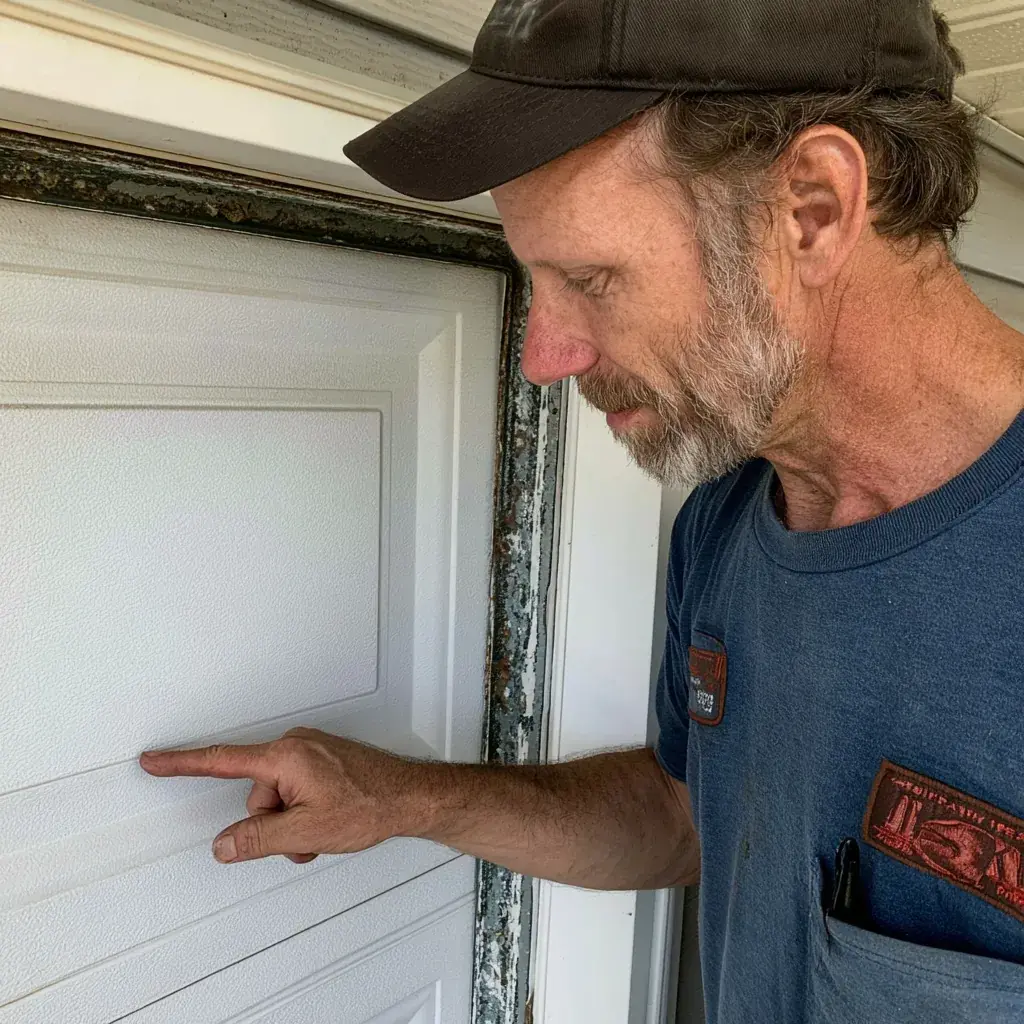
Shared parking doors in Flower Mound need phased spring work, resident routes, and useful maintenance records.
Secure the affected bay, preserve a separate resident route where the layout allows, and repair doors in planned phases. Match spring capacity to frequent use, document parts and operating checks, and reopen each section after inspection. A building contact coordinates notices and access changes.
Apartment and HOA garage springs serve shared doors in a multi-unit building or parking structure. Work on one opening can affect resident access, so the plan should cover the repair sequence and the hours each door will be unavailable. In Flower Mound, a property contact can identify busy periods, quieter work windows, and alternate entrances before scheduling. That gives the independent spring pro a way to plan each shutdown around building use, rather than treating every door as an isolated repair.
A door that slows, stops, or hangs unevenly can disrupt more than one resident’s trip. Record the opening, when the symptom appears, and whether traffic is heavy at that time. In Flower Mound, the notes help a manager compare the problem with known arrival and departure peaks. The spring pro can then assess the opening and discuss a work window that limits the interruption. Keep the door out of use if it is unsafe to operate; an opener should not be relied on to lift a failing door.
A useful access plan names the door being worked on, the temporary route, and the person who can approve the scheduled scope. That contact can tell residents which entrance remains available and when the affected opening is expected to close for work. Buildings near Twin Coves Park, Grapevine Lake, or Lake Lewisville can use those places as location references when describing a Flower Mound property. Clear identification helps the pros we connect you with arrive prepared to review the right opening and its access limits.
Door use matters when selecting replacement springs. One cycle is a complete opening followed by a closing, and a cycle rating describes use, not a service life in years. A shared entrance used throughout the day can reach its rated cycles sooner than a door opened only for occasional deliveries. Keep separate usage notes for each opening. This gives the pro a better basis for discussing spring capacity and planned work windows than a calendar reminder alone.
Standard torsion springs are commonly rated around 10,000 cycles; high-cycle models are often rated at 25,000 cycles or more. The suitable rating depends on the door and its expected daily use. When torsion springs are fitted as a pair, both have shared the same cycles, so a failed one can signal that its partner is also near fatigue. Discussing usage and matched replacement during scheduling can reduce the chance of another interruption soon after work.
| Work factor | Shared doors | One door |
|---|---|---|
| Work window | Plan a night or weekend closure | Set a daytime shutdown window |
| Repair order | Finish one bank before moving | Close several door banks together |
| Resident route | Keep unaffected bays in use | Direct traffic to another open section |
| Resident access plan | Manager confirms scope before booking | Site contact confirms each phase |
| Door use | Select springs for frequent operation | Match rating to lighter demand |
| Resident notice | Share closure details in advance | Post directions at the entry |
| Service log | Record door, date, and fitted parts | Add findings to the building file |
| Cost scope | Estimate each scheduled phase | Scope multiple doors in one visit |
Before setting a work window, identify who can release the opening and confirm the approved scope with that contact. This is a practical handoff for the repair; questions about payment or HOA responsibility are separate. In Flower Mound, the contact can coordinate resident notice, temporary access, and the hours when the door can remain closed. Sharing those limits in advance helps the spring pro plan the visit around building operations.
When several doors need attention, phased repairs can keep unaffected entrances available. The manager and pro can group openings by location or traffic pattern, then schedule one group at a time. For each phase, mark the affected bays, alternate route, and planned closure window. A Flower Mound parking structure may need a different sequence for a peak entrance than for a door used mainly by service providers. The schedule should make that distinction clear before residents arrive.
For evening, weekend, or other shutdown windows, set the start and access limits with the building contact before confirming the work. Ask which entrances must remain usable and what should happen if the scope changes after inspection. Keep the contact available to approve any revised work. This avoids leaving a crew unable to proceed or extending a closure without a decision. A confirmed window is a planning tool, not a guarantee that every repair fits the same schedule.
A building record should connect each repair to a specific opening. Note its identifier, reported issue, inspection findings, parts replaced, completion date, and any follow-up recommended by the pro. If the property has several doors, avoid logging the visit under a general garage entry. In Flower Mound, a clear record helps the next manager compare service history and plan future shutdowns without guessing which opening was repaired.
Include spring type and cycle rating in the service record when the pro provides them. Also note related findings on cables, drums, rollers, hinges, or bearings, since worn or binding parts can affect spring performance. A torsion spring sits on a shaft above the opening and lifts as its coil unwinds; extension springs stretch beside the horizontal tracks. The record should reflect what was actually inspected and changed, not assume every door uses the same arrangement.
A door that will not lift or sits crooked should remain closed off until a pro assesses it. Torsion springs hold dangerous stored force, so staff and residents should not wind, unwind, or adjust them. If the system uses extension springs, each needs a safety cable through its coil to help contain a break. Mark the affected entrance unavailable and direct residents to the agreed alternate route while the repair is arranged.
After work, compare the completion record with the scope the building contact approved. Confirm that it identifies the opening, lists replaced parts, and records any items left for later attention. Ask the pro to explain any change to the planned sequence or access window, then update the building log and resident notice as needed. This gives the manager a usable handoff for the next service decision without making assumptions about the condition of other doors.
Keep resident access in the work plan from the start. For a multi-unit garage in Flower Mound, the manager and pro can set night, weekend, or planned shutdown windows, then take one door group offline per phase. Where the layout allows, leave another route open during service. If a portfolio includes sites near Roanoke Community Park or Denton Katy Trail, set an access window for each building instead of reusing one schedule. Give the pros we connect you with the door count, use pattern, and sign-off contact. Ask for dated work notes for the building record.
The pros we connect you with are independent local spring pros; this site is a referral service. Share any door list, prior service notes, and proposed access plan so the pro can review the building’s needs. The authorized contact can coordinate phasing and confirm the work window directly with the pro. For Flower Mound properties, a clear account of resident traffic and each affected opening gives the conversation a practical starting point.
In Flower Mound, commercial spring repair planning should account for more than the failed part. The spring rating, condition of related hardware, number of affected doors, and time needed to isolate each bay all shape the scope. A building contact can group doors by use and choose shutdown windows that limit disruption. The written work plan should identify each phase, expected access changes, parts, and completion checks. Keep that record with the property file. A door that lifts unevenly can indicate that its spring system needs assessment before normal use resumes.
Service maps identify residential areas, but each property needs an address check with the pros we connect you with throughout Denton, includingLewisville, Southlake and Roanoke. When arranging a visit, ask whether the initial assessment has a separate charge and whether reaching an address beyond the usual route changes it.
For commercial properties, pricing is planned by visit. Spring wear can differ from one door to the next. Opening dimensions, door count, site access, and service interval affect the estimate. A distribution building with several loading doors may need a broader visit scope than a small storefront.In Flower Mound, a commercial door’s width, weight, lift setup, and daily use can change spring size and related parts, shifting the quote. When calling, describe the opening, door construction, use pattern, and visible damage so the pros we connect you with can identify what needs pricing.Review pricing guide for cost bands; commercial overview describes the structure of a scheduled commercial program.
Flower Mound Dock Doors
Storage Facility Service
Flower Mound Commercial Doors
In Flower Mound, the building contact and spring pro can map which bays need to close, then work through the garage in sections. Keep another entrance or resident route available where the layout allows. Post affected doors and the work window before service begins. Secure each active bay until repairs and operating checks are complete, then shift access to the next planned section.
A property manager or designated HOA contact can submit the service request with the door location, observed use, and preferred shutdown window. The request should name the person authorized to confirm the work scope under the property's process. That gives the spring pro one contact for access coordination and resident notices without making the service visit a decision about HOA responsibility.
Plan follow-up around actual use and the spring's cycle rating. One cycle is a complete opening and closing, so a door serving many daily trips accumulates cycles faster than a rarely used bay. Keep a usage estimate and service history for each opening. Review them together when planning the next inspection instead of relying only on calendar age.
Keep a record for each serviced opening: its location, service date, spring type and rating, related parts changed, and balance and operating checks. Note any access limits or follow-up work still needed. A consistent log lets the next building contact compare service history and plan the next shutdown window. Old Town can help orient Flower Mound property notes when locations need a clear reference.
Describe the Flower Mound building, door count, traffic pattern, and approving contact to get connected with an independent local spring pro.
Call +12148075085